What is DEI in 2025 and Why does it matter for schools
White House Executive Order on DEI: “Ending Radical and Wasteful DEI Programs and Preferencing,” Full End of DEI EO:“Ending Illegal Discrimination and Restoring Merit Based Opportunity,” DEI Explained
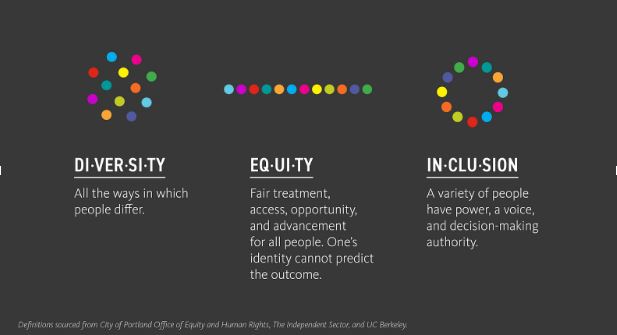
As a middle school nurse, I'm watching these executive orders unfold, and I'm struggling to make sense about what they mean for our students and our school community in 2025. The executive orders aimed at ending Diversity, Equity, and Inclusion (DEI) programs, like the one stating it's "the policy of the United States to protect the civil rights of all Americans and to promote individual initiative, excellence, and hard work", feel like a direct hit to the progress we've been trying to make. I see how our DEI initiatives, even small ones like celebrating different cultural holidays or having posters in my health office that reflect diverse backgrounds, help students feel seen and understood. The push to "terminate all discriminatory and illegal preferences, mandates, policies, programs, activities, guidance, regulations, enforcement actions, consent orders, and requirements" sounds good on paper, but I worry it will erase the support structures that many of our students, especially those from marginalized groups, truly need to thrive.
This crackdown on DEI, for me, really connects with Armstrong and Wildman's "color blindness is the new racism." When the White House says things like "Hardworking Americans who deserve a shot at the American Dream should not be stigmatized, demeaned, or shut out of opportunities because of their race or sex," it sounds like they're promoting fairness. What Armstrong and Wildman argue is that when we pretend not to see color, we ignore the real systemic barriers that still exist for people of color. If we can't talk about race and its impact, how can we address health disparities, for example? I've seen firsthand how a student's socioeconomic background can affect their access to healthcare outside of school. If our school is discouraged from even acknowledging these differences, it feels like we're being asked to be "color-blind" to the very issues that affect my students' health and well-being.
While the specifics of the executive orders on immigration are still playing out, I know the general tone of increased enforcement creates a climate of fear. For example, if there are stricter measures to "identify and increase efforts to remove undocumented immigrants," I worry deeply about our students whose families might be undocumented. When children are scared that they or their parents might be deported, it has a direct impact on their mental health. They become anxious, withdrawn, and their academic performance suffers. As a nurse, my priority is their well-being. It’s hard to provide targeted care when a child is experiencing fear. I am embedding a link to "red cards" from the Immigrant Resource Legal Center that can be printed out and distributed to community members. These cards explain the rights given to EVERYONE in the United States (regardless of immigration status). Feel free to download right here
These executive orders, by pushing for a "color-blind" approach to society and a stricter stance on immigration, could actually make our school less equitable and less safe for the very children we are here to serve.


I appreciate your perspective and connection of Armstrong and Wildman to the healthcare field. I also liked how you connected the immigration issues to students mental health. Thanks for sharing the "red cards", too!!
ReplyDeleteSusanna, I really appreciate your thoughts. It is scary as a school nurse to wonder how these policies, which can sounds innocent to some people and even beneficial, will undermine our students who do not come from white affluent families. I also saw so many echoes of the colorblindness theories in these EO's. Thank you so much for including the red card links! That is so helpful :) also love the picture in the beginning, it's a great visual example!
ReplyDeleteGreat connections to what we have discussed in other readings! And yes: this is an issue that affects the holistic well being of students. Equalizers that may have supported them before will likely be less available, not only affecting school, but their overall health. I really appreciated your perspective!
ReplyDeleteI love the connections to colorblindness (spot on) and I ordered a ton of those red cards last semesters and handed them out to students!
ReplyDelete